
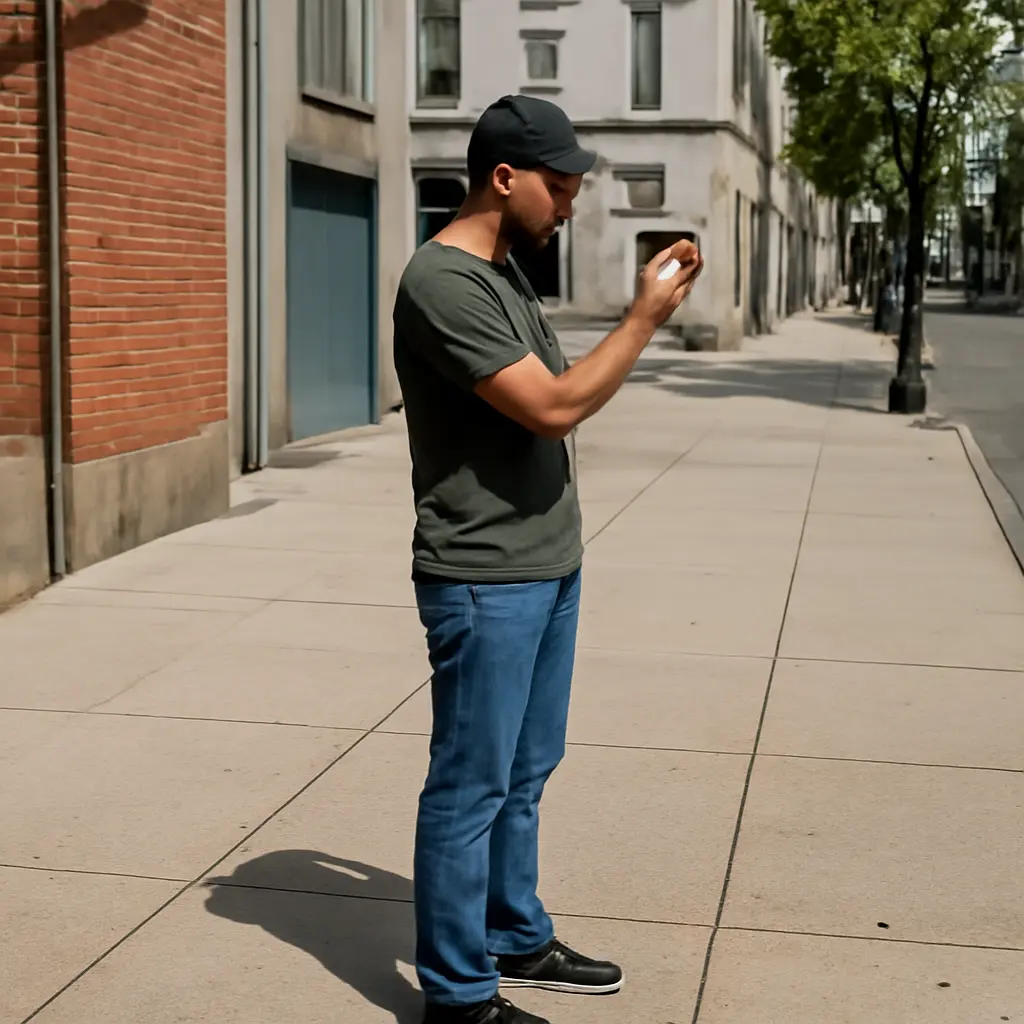
Street Filming: Public and Private Space, Consent, and the Legal Gray Zone
Street filming is the recording of people or events in places such as sidewalks, parks, and commercial streets, where public access does not always mean unrestricted permission to film. In the United States, people generally may record what they can lawfully see from a public place, but rules change when filming involves private property, audio interception, restricted locations, or targeted harassment. The distinction matters: the First Amendment protects many forms of recording matters of public interest, while privacy, property, and state-specific audio laws can limit how a recording is made or used. The Committee to Protect Journalists has documented the importance of recording police and public events, and the U.S. Supreme Court has recognized a right to gather information about matters of public significance—without establishing an unlimited right to film anywhere. This guide explains the public-private boundary, consent and audio rules, police encounters, and practical steps for reducing legal risk.
Public-Space Filming Defines the Baseline for Street Recording
Public-space filming means recording from a place where the filmer is lawfully present, subject to generally applicable restrictions. The Reporters Committee for Freedom of the Press explains that recording in public is usually protected when the subject is visible to the public and the recording does not violate other laws. This principle is not a universal license: restrictions may apply to private property, sensitive facilities, sound recording, trespass, or conduct that obstructs others.
The relevant categories include ordinary street scenes, public officials performing public duties, events on government property, and recordings made from publicly accessible areas inside privately owned venues. Each category can trigger different rules. A sidewalk outside a shop, for example, is ordinarily public; a privately owned shopping center may be open to visitors but still impose property rules. Location and conduct therefore matter as much as the camera itself.
Sidewalks, Parks, and Public Streets
A traditional public forum—such as a street, sidewalk, or park—receives strong First Amendment protection for speech and expressive activity. Recording from such a place is generally lawful if the filmer is not trespassing, blocking access, or violating a valid safety restriction. The right to record is especially significant when documenting government activity, but the filmer must still obey neutral rules governing traffic, crowd control, and access to secured areas.
In Glik v. Cunniffe (2011), the U.S. Court of Appeals for the First Circuit held that a bystander had a clearly established First Amendment right to record police officers carrying out their duties in public, subject to reasonable time, place, and manner restrictions. The decision is influential, but it is a federal appellate ruling—not a nationwide Supreme Court decision. Courts and statutes can differ by jurisdiction, so the precise protection should be checked locally.
Government Buildings and Restricted Areas
Government ownership does not make every location an unrestricted filming zone. Courts distinguish traditional public forums from nonpublic or designated forums, while agencies may impose reasonable restrictions to protect security, operations, and access. Filming may be limited in courtrooms, secure facilities, military installations, transit systems, or areas where signs and lawful orders establish restrictions.
The practical question is not simply “Is this public property?” but “What type of property is it, what rules apply, and is the restriction lawful and consistently enforced?” A person may be able to film a government building’s exterior from a sidewalk while being barred from recording inside a controlled area. Before filming, check posted notices and agency rules, and do not cross barriers or enter employee-only spaces.
Privately Owned Places Open to the Public
A privately owned place can be open to customers without becoming public property. Shopping centers, restaurants, office lobbies, and privately operated plazas may set conditions on photography or video. If an owner or authorized representative tells a filmer to stop or leave, continuing to record may create a trespass issue even if the location feels public.
This distinction is central to street filming near storefronts and inside commercial districts. A filmmaker can often record the exterior from a public sidewalk, but the owner may control recording inside the premises. Rules for privately owned public spaces and open-air developments vary, so confirm ownership and posted policies rather than assuming that public access equals filming permission.
Privacy and Consent Rules Shape What Street Filming Can Capture
Privacy law generally weighs a person’s reasonable expectation of privacy, the circumstances of recording, and the method used. People visible in ordinary public settings typically have less expectation of privacy than people inside a home, changing area, medical setting, or other secluded place. However, close-up targeting, persistent following, sensitive imagery, and later publication can raise issues that a wide street shot may not.
The main legal categories include visual privacy, audio consent, intrusion, and publication-related claims such as appropriation or defamation. Their definitions and remedies vary among states. A camera may lawfully capture a scene while the sound recording or subsequent use creates a separate legal concern.
Expectation of Privacy and Intrusion
A reasonable expectation of privacy is the expectation society is prepared to recognize as legitimate in a particular setting. Recording a person walking on a busy public sidewalk is generally different from filming through a home window or recording someone in a restroom. Intrusion claims may arise when a person intentionally invades a private space or private activity in a highly offensive way, even if the resulting material is never published.
A public location does not erase every privacy interest. Filming an accident victim, a child, or a person receiving emergency care may be legally distinct from filming an ordinary crowd, depending on the circumstances and jurisdiction. Ethical choices—such as keeping distance, avoiding unnecessary close-ups, and obscuring identifying details—can reduce harm even when the recording is lawful.
Audio Recording and Consent Laws
Audio recording is often more legally sensitive than silent video because state and federal wiretap laws regulate interception of communications. Federal law generally permits recording when the recorder is a party to the conversation or one party has consented, subject to exceptions. States differ: some require consent from all parties for certain private conversations, while others use a one-party-consent standard.
The Reporters Committee for Freedom of the Press maintains state-by-state guidance showing why location and conversational context must be checked before recording sound. A conversation audible in a crowded public street may be treated differently from a private conversation captured with a directional microphone. When uncertain, ask for consent, disable audio, or avoid recording conversations in settings where participants may reasonably expect them to be private.
Children, Sensitive Situations, and Publication
Recording a child in public is not automatically illegal, but publication can create safety and ethical concerns, and additional rules may apply in schools, courts, or protected locations. Similarly, filming a person in distress may be lawful in some circumstances yet expose the filmer or publisher to privacy, harassment, or reputational claims depending on how the footage was obtained and presented.
The First Amendment does not shield every use of a recording. False statements presented as fact can raise defamation concerns; using someone’s likeness to promote a product may implicate publicity rights; and misleading edits can distort context. Keep original footage, preserve timestamps, and distinguish clearly between documentary reporting and commercial endorsement.
Police Encounters and Filming Rights Depend on Conduct and Location
Recording police in public is widely recognized as protected expressive activity, but the right is not immunity from lawful orders or physical restrictions. The U.S. Department of Justice has stated that recording law enforcement officers performing public duties is protected by the First Amendment, while courts have generally allowed reasonable limits that do not target the viewpoint or suppress recording arbitrarily.
The boundary is practical as well as legal: a filmer should not interfere with an arrest, cross a police line, obstruct a sidewalk, or disregard a lawful safety order. Keep a safe distance, avoid sudden movements, and state calmly that you are recording. A person’s right to record does not necessarily include a right to remain in a restricted scene or to ignore a valid dispersal order.
Recording Officials Without Interference
Noninterference means documenting official conduct while leaving officers and other responders room to perform their duties. In Fields v. City of Philadelphia (2017), the Third Circuit recognized a First Amendment right to record police, while emphasizing that the right remains subject to reasonable restrictions. Similar appellate decisions have emerged in other circuits, but the governing precedent depends on where the encounter occurs.
The American Civil Liberties Union advises people who record police to remain calm, keep their hands visible, and avoid physically interfering. If an officer orders a filmer to move, complying with a reasonable safety instruction while continuing to record from a lawful location may preserve both safety and documentation. Do not physically resist an order in an attempt to test its legality on the street.
Device Searches, Seizures, and Evidence Preservation
Police generally need a warrant or another recognized legal basis to search the contents of a phone, though the rules surrounding temporary seizure, exigent circumstances, and evidence preservation can be fact-specific. In Riley v. California (2014), the U.S. Supreme Court held that police generally must obtain a warrant to search digital information on a cell phone seized incident to arrest.
A recording may be valuable evidence, so back up files securely and avoid editing the only copy. If footage is seized or deleted, document what happened and seek legal advice. Laws governing recording, retention, disclosure, and public-records access are distinct; possessing a recording does not automatically mean it can be published without legal risk.
Practical Filming Choices Reduce Legal and Ethical Risk
Risk-aware street filming combines location checks, respectful conduct, and careful handling of recordings. The National Press Photographers Association’s ethics guidance emphasizes accuracy, context, and minimizing harm—principles that are useful beyond professional journalism. A short pre-filming check can prevent trespass, audio-consent, and safety problems.
A Pre-Filming Checklist
- Confirm whether the filming position is public or privately owned, and review posted restrictions.
- Check local rules for audio recording, permits, and protected locations.
- Stay out of traffic, emergency perimeters, and restricted areas; do not obstruct access.
- Use a wide shot when possible and avoid unnecessary capture of private conversations or vulnerable people.
- Keep original files and metadata, make a secure backup, and record relevant context.
- Before publication, consider privacy, defamation, publicity, safety, and the difference between editorial and commercial use.
Case Study: Recording Police in Public
The cases Glik v. Cunniffe and Fields v. City of Philadelphia illustrate the balance between documentation and public safety. Both recognized constitutional protection for recording police performing duties in public, while leaving room for reasonable restrictions against interference. Together, they show why the strongest legal position is often a clearly public vantage point, visible noninterference, and preservation of unedited footage.
These decisions do not establish that every recording of an officer is lawful in every circumstance. A courthouse, transit facility, restricted scene, or private premises may involve different rules. Nor do the cases settle every question about audio, publication, or state-law claims. They are useful guideposts, not substitutes for checking local law.
Conclusion: Street Filming Requires Attention to Place, Method, and Use
Street filming sits at the intersection of First Amendment rights, property boundaries, privacy expectations, audio-consent statutes, and public safety. Public sidewalks and streets generally provide the strongest basis for recording, while privately owned venues and restricted government areas may impose valid limits. Recording police in public is broadly protected when it does not interfere, but audio capture and later publication can raise separate legal questions.
The most reliable approach is to verify the location, learn the relevant state audio rules, maintain a safe and nonobstructive position, and handle footage responsibly. Because the law varies by jurisdiction and circumstances, consult local legal resources or a qualified attorney when filming for publication, documenting a dispute, or recording in a sensitive setting.
For further reading, review the Reporters Committee for Freedom of the Press state recording guides, the Department of Justice’s guidance on recording law enforcement, and the relevant local statutes and court decisions. This article provides general information, not legal advice.
Sources: U.S. Constitution, First Amendment, https://constitution.congress.gov/constitution/amendment-1/; U.S. Supreme Court, Riley v. California, 573 U.S. 373 (2014), https://supreme.justia.com/cases/federal/us/573/373/; U.S. Court of Appeals for the First Circuit, Glik v. Cunniffe, 655 F.3d 78 (2011), https://law.justia.com/cases/federal/appellate-courts/ca1/10-1764/10-1764p-01a-2011-08-26.html; U.S. Court of Appeals for the Third Circuit, Fields v. City of Philadelphia, 862 F.3d 353 (2017), https://law.justia.com/cases/federal/appellate-courts/ca3/16-1650/16-1650-2017-07-07.html; Reporters Committee for Freedom of the Press, Recording Guide, https://www.rcfp.org/reporters-recording-guide/; U.S. Department of Justice, First Amendment: Constitutionally Protected Activities, https://www.justice.gov/crt/first-amendment; American Civil Liberties Union, Your Right to Record the Police, https://www.aclu.org/know-your-rights/your-right-to-record-the-police; National Press Photographers Association, Code of Ethics, https://nppa.org/code-ethics.